

The Rise of Esport: From Hobby to Global Industry
Esport has evolved from a casual online pastime into a global industry powered by professional players, organized leagues, and massive audiences.
This journey is shaped by early communities of gamers, pivotal competitions, and the rise of streaming platforms that connect players with fans around the world.
From grassroots LAN parties to multi-city tours, the ecosystem now features sponsorships, media rights, and diverse revenue models that sustain teams and events.
In this piece, we explore early origins, key growth milestones, economic drivers, and the cultural shifts driving mainstream acceptance.
By analyzing these dimensions, we reveal how Esport transformed the way people compete, watch, and engage with digital gaming.
Early Origins and Community Culture
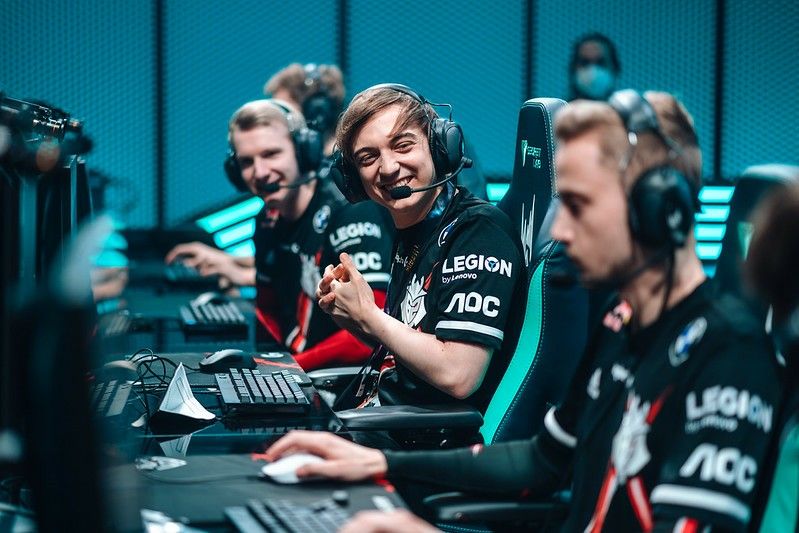
Long before sponsorships and formal leagues, competitive gaming began in informal gatherings that stitched together communities across borders. Players traveled to LAN centers to test skills, share strategies, and exchange tips for improving reaction times, teamwork, and strategic thinking under pressure.
Korean PC bangs and European arcade arenas created cultural hubs where rivalries, rituals, and disciplined practice routines took shape. These spaces fostered a collective identity around practice schedules, hand–eye coordination, and the shared thrill of tight matches regardless of geography.
Fans built early ecosystems around forums, fan sites, and local broadcasts, cheering on preferred teams and personalities. The social fabric rewarded analysis, replay reviews, and candid discussion that pushed players to refine mechanics and study opponents.
Organizers experimented with formats, rules, and tournament logistics, while players learned to adapt to evolving metas. Early events popularized double elimination brackets, group stages, and best-of-series formats, establishing expectations for fairness, competitiveness, and audience clarity.
Grassroots networks laid the groundwork for formal leagues and sponsorships, as teams formed, coaches emerged, and players began negotiating contracts and training facilities. The ascent from hobbyist play to professional aspiration started with demonstrations, local events, and shared mentorship.
These roots created a cultural vocabulary of merit, camaraderie, and resilience that later professionals would codify into practice guidelines, anti-cheat measures, and scalable training programs that support longer careers.
As titles diversified across genres, communities formed around new metas, strategies, and streaming personalities, reinforcing a global identity that transcends language barriers. This intercultural exchange helped Esport become a platform for storytelling and competition.
By the time sponsorship deals and regional circuits appeared, the landscape looked recognizably modern: dedicated practice regimens, coaching staff, and a shared expectation that talent plus opportunity could translate into a sustainable livelihood.
Beyond games themselves, audiences learned to value broadcast quality, commentators who explained complex tactics, and the sense that esports could be an inclusive space inviting new fans, players, and creators.
Together, these cultural shifts set the stage for mainstream acceptance, with media outlets, universities, and corporate brands recognizing esports as a legitimate, scalable form of digital age entertainment.
Milestones in Growth (2000s–2020s)
The growth of competitive gaming over the 2000s and 2010s hinged on milestone events that expanded audiences, technology, and industry confidence. The following table highlights turning points that redefined scale and governance.
| Year | Event | Significance | Notes |
|---|---|---|---|
| 2000 | DreamHack grows into a landmark LAN festival | Pioneered large-scale LAN competition with global attention | Expanded attendance and sponsor interest beyond Sweden |
| 2003 | World Cyber Games launches | Brought global platform and national teams; introduced country representation | Modeled after Olympic structure |
| 2011 | Riot Games launches official LoL circuits | Standardization of leagues; growth of regional audiences | NA and EU splits; growth of regional audiences |
| 2013 | Dota 2 released and The International prize pool grows | Crowdfunding drives record prize pools | TI3 prize pool around $2.8M |
| 2014 | Twitch becomes dominant streaming platform | Democratized broadcasting and fan engagement | Amazon later acquires Twitch; increased stream quality |
| 2019 | The International 9 prize pool hits $34M | Largest prize pool in esports history at the time | Crowdfunded via Battle Pass |
| 2020 | COVID-19 pandemic accelerates online competition | Shift to online events and cross-regional play | Maintained schedule with remote production |
These milestones laid the groundwork for the modern ecosystem, where leagues, sponsorships, and media rights drive sustained investment and global participation.
Economic Drivers: Sponsorships, Media Rights, and Merchandise
Several revenue streams converge to sustain teams, events, and ecosystems. Below is a concise map of the main economic drivers shaping the industry.
- Sponsorships and brand partnerships have unlocked multi-year deals with hardware, beverage, and lifestyle brands, delivering stable revenue streams while expanding teams’ visibility across regional and global markets.
- Media rights and broadcast deals expanded the industry’s reach, aligning tournament production with mainstream networks and streaming platforms to attract advertisers and larger audiences.
- Merchandising and limited-edition collaborations turned fan interest into tangible revenue, from apparel and collectibles to in-game items and co-branded hardware.
- Franchise models and team investments established stable ecosystems, with franchising fees, league revenue sharing, and player salaries enabling longer-term career paths for competitors.
- Fan engagement platforms, data monetization, and targeted advertising created new monetization avenues beyond competition, building sustainable communities and measurable ROI for sponsors and organizers.
These economic drivers collectively sustain investment, encourage professionalization, and help esports weather fluctuations in game popularity and platform dynamics.
Cultural Impact and Mainstream Acceptance
Esport’s cultural footprint extends beyond competition to family entertainment, education, and media representation. Streaming platforms like Twitch and YouTube Gaming transformed how fans consume matches, enabling real-time chat, subscription models, and direct supporter engagement.
Mainstream media started to cover tournaments on sports networks, with analysts, highlight reels, and feature stories that compared teams to traditional franchises, attracting new audiences who previously considered video games a leisure activity.
The rise of professionalization introduced new job roles—managers, coaches, analysts, translators, and event staff—while universities explored scholarships and degrees focused on game design, esports management, and performance science.
Diversity and inclusion efforts gained momentum as players, fans, and organizers emphasized safer communities, female and nonbinary representation, and accessible pathways for newcomers to join clubs and circuits.
Brand partnerships broadened beyond hardware and energy drinks to include lifestyle collaborations, fashion, and education initiatives, signaling a cultural shift where esports is recognized as a legitimate form of entertainment and commerce.
The perception of gaming as a career matured as players signed sponsorships, teams established training facilities, and production standards improved, inviting coverage by mainstream outlets and sponsorships from financial and tech industries.
At the same time, concerns about toxicity, burnout, and equal opportunity persisted, pushing organizers to invest in welfare programs, governance structures, and clear policies that protect players’ health and rights.
Ultimately, esports achieved mainstream acceptance not solely through prizes but by building sustainable ecosystems that blend competition, education, and community, turning a decentralized pastime into a global cultural force.
As fans across continents gather for finals, local viewing parties and official events become social occasions, reinforcing a sense of belonging that mirrors traditional sports cultures and supports local economies.
The ongoing integration with media, academia, and business suggests a durable future for esports as a mainstream cultural phenomenon rather than a passing trend.
Product Features, Benefits, and Technical Specifications
Esports products and experiences hinge on a suite of features, benefits, and technical standards that collectively sustain a global ecosystem. This section surveys the core product features across genres, viewing platforms, and competition formats, then explains how benefits flow to players, teams, organizers, and sponsors. By unpacking the practical implications of platform characteristics, broadcast tools, and organizational design, stakeholders can align investment decisions with audience expectations and revenue opportunities. The analysis also highlights how advances in streaming, data analytics, and monetization strategies drive sustained growth. Finally, the section connects technical specifications to real-world outcomes, such as matchmaking fairness, spectator engagement, and long-term career pathways in the digital gaming industry.
Core Game Genres and Platform Characteristics
Understanding core game genres and platform characteristics helps explain why certain titles dominate tournaments, how match setups affect practice and broadcast quality, and why some genres attract larger audiences.
Each genre brings distinct demands on hardware, network infrastructure, spectator interfaces, and rules, shaping how organizers design events, teams recruit players, and sponsors craft value propositions.
- First-person shooters dominate esports with precise aim, high reaction speed, and strict timing, thriving on PC hardware, low latency networks, high refresh monitors, and standardized input devices for fairness.
- Multiplayer online battle arenas MOBAs emphasize macro strategy, micro mechanics, and rapid decision making, benefiting from scalable servers, spectator friendly overlays, robust patch cycles, and audience friendly long format tournaments.
- Real time strategy games test planning tempo and resource management, requiring precise latency handling, diverse control schemes, synchronized actions, and resilient AI behaviors, all supported by LAN environments.
- Fighting games require ultra precise inputs and timing, with players training in hit confirms, punishers, and frame data, while platforms support rollback netcode, regional matchmaking, and spectator friendly replays.
- Sports simulations and battle royale titles push genre diversity, enabling cross platform play, larger lobbies, spectator centric overlays, and flexible formats that scale with audience hunger and sponsor engagement.
These genre platform synergies guide how events are run, how players train, and how fans experience competition across regional and global markets. As the ecosystem expands, developers and organizers must coordinate feature sets with audience expectations to sustain growth and innovation.
Broadcast and Streaming Technology
Broadcast and streaming technology in esports is a layered delivery system that converts live gameplay into globally available video and interaction. At the core, capture hardware, low latency encoders, and efficient transport protocols combine to minimize delay while preserving color fidelity and motion clarity.
Content delivery networks and edge computing reduce round trip times by caching streams closer to audiences, while adaptive bitrate algorithms ensure smooth playback across devices. Multi angle, multi camera rigs, and cloud based production tools enable fans to switch perspectives, rewatch key moments, and engage with real time chat without missing critical plays.
The spectator experience is further enhanced by overlay graphics, real time statistics, and synchronized replays, all integrated with platform APIs that allow creators to monetize content through subscriptions, sponsorships, and ad revenue. Security and anti cheat integration play a growing role, with streaming ecosystems cooperating with game servers to detect anomalies and safeguard fair competition.
As technology evolves, latency budgets shrink and communities expect near seamless experiences, driving ongoing innovation in codecs, compression, and network topology. The result is a more accessible, interactive, and globally connected esports audience.
Player, Team, and Tournament Infrastructure
Player, team, and tournament infrastructure form the backbone of competitive esports. Teams organize rosters, contract players, and hire coaches, analysts, medical staff, and support personnel who coordinate training, travel, and pacing through a demanding season. Beyond performance, teams manage branding, sponsorship fulfillment, and talent development pipelines that feed academy levels into main rosters. The tournament calendar drives scheduling, boot camps, and scrimmage blocks, while event organizers require reliable communications, secure registration, and clear rules to safeguard fairness and transparency across regional circuits and international leagues.
Coaches design practice regimens that blend individual skill work, strategy sessions, and data analysis. Analysts produce opponent scouting reports, patch impact assessments, and win condition simulations. Performance staff monitor health, sleep, and nutrition to maintain resilience in high stakes events. Player agents negotiate contracts and visibility opportunities while compliance teams ensure adherence to league rules and anti doping policies. Efficient infrastructure reduces player burnout, speeds up decision making, and helps teams scale as rosters expand or shift in response to patch cycles and meta shifts.
Tournament organization relies on robust registration, seed allocation, brackets, and dispute resolution protocols, all underpinned by reliable communications, match administration, and transparent governance. Regional representation, broadcast rights, and sponsor activations intersect with rules enforcement, ensuring that competitions remain fair and engaging for fans worldwide.
Team Organizations and Roles
Effective esports teams resemble compact organizations with defined hierarchies and career paths. A typical roster includes players, a captain or in game leader, and a dedicated coach who translates game knowledge into practice plans. Analysts study telemetry, opponent tendencies, and patch changes to inform strategy and preparation. Support staff such as trainers, sports psychologists, and nutritionists help players maintain peak performance during long seasons. Managers coordinate contracts, travel, equipment, and sponsorship obligations, ensuring compliance with league rules and regional regulations. Talent scouts, academy teams, and feeder programs create pipelines for emerging players to reach the top level, while media coordinators and content producers support fan engagement. Clear lines of responsibility enable rapid decision making, reduce overlap, and foster accountability across training camps, scrims, and tournament weekends. In many organizations, performance reviews and mentorship programs drive continuous improvement, while welfare policies safeguard players health and long term careers. As the esports workforce expands, sustainable structures become essential for competitive success and industry credibility.
Tournament Formats and Administration
Tournament formats vary by game, audience, and sponsor expectations, but common structures include Swiss rounds, single elimination, and double elimination, with group stages leading to playoffs. Seeding relies on recent results, regional representation, and sometimes random draws, with tie breaking procedures such as map score, head to head results, or bracket restoration. Administrative tasks cover match scheduling, venue logistics, player eligibility checks, and anti cheat enforcement, following strict rulesets and compliance standards to protect integrity.
Rulesets define map pools, game settings, pause allowances, disqualification criteria, and protest processes, while production teams integrate broadcasts, branding, and sponsor activations without compromising gameplay. Live incident reporting, dispute resolution channels, and post event reviews inform future iterations. Compliance with regional privacy laws and data handling practices builds trust among teams and fans. Formats should balance competitive fairness, spectator excitement, and travel practicality to sustain participation across both franchises and grassroots communities.
Technical Challenges and Innovations
Esports faces ongoing technical challenges in latency, anti cheat, and infrastructure resiliency. Latency budgets are a constant pressure, requiring synchronized tick rates, optimized routing, and careful replication of in game physics across servers and clients. Organizations experiment with regional edge caches, dedicated networks for events, and time synchronized overlays to ensure fairness and minimize drift between broadcast and gameplay.
Anti cheat systems rely on a combination of client side protections, server side telemetry, and behavior analytics. Rolling updates, machine learning anomaly detection, and secure software distributions help detect and deter cheating while preserving user privacy. The industry continues to explore new approaches such as rollback netcode in certain genres and server authoritative models to reduce input delay and unfair advantage during online play.
Innovations also arise in production and audience engagement, with cloud based studios, multi angle feeds, real time data visualization, and cross platform broadcasting enabling richer viewer experiences. Advances in encoding, compression, and adaptive streaming technologies push quality up while bandwidth demands stay manageable. New anti tamper measures, cheat reporting workflows, and legal frameworks further support fair competition and sustainable growth.
As technologies evolve, players rely on more sophisticated hardware, software, and network tools, while event organizers optimize for reliability, security, and scalability. The ongoing push toward AI assisted analytics, autonomous moderation, and predictive matchmaking promises to improve both player development and spectator satisfaction.
Competitive Comparison and Positioning
Esports has evolved from a niche online pastime into a global, data-driven ecosystem where audiences, sponsorships, and monetization follow patterns both aligned with and divergent from traditional sports. This section compares the core metrics shaping the competitive landscape, including audience demographics, revenue streams, and brand partnerships. By examining the evolution of professional gaming careers, live streaming platforms, and international esports events, we can position esports within the broader digital gaming industry. The analysis highlights how online gaming communities and diverse fan bases translate into scalable leagues and sponsorship models. Finally, we outline how organizations can leverage this positioning to attract investments, grow audiences, and sustain long-term growth.
| Casino | Audience & User Base | Esports & Gaming Engagement | Promotions, Revenue & Partnerships |
|---|---|---|---|
| NVCasino | International players, mostly 18–35 | Hosts online tournaments, integrated with streaming platforms | VIP programs, sponsorship deals, regular bonus campaigns |
| Prank Casino | Casual and competitive gamers, active social media following | Supports esports competitions and leaderboard rankings | Branded promotions, tournament prize pools, partner integrations |
| Momang Casino1 | Mobile-first users, diverse age groups | Interactive gaming experiences, mini esports challenges | Loyalty rewards, live event tie-ins, partnerships with gaming brands |
| Chanz Casino1 | Young adult audience, multiplayer enthusiasts | Online multiplayer tournaments, leaderboard competitions | Sponsorship packages, seasonal bonuses, special event campaigns |
| Valhalla Casino | European and international players, esports followers | Organizes competitive events, streaming collaborations | Premium VIP rewards, brand sponsorships, exclusive tournaments |
| Klirr Casino | Active daily players, social engagement | Community tournaments, integrated chat and streaming | Advertising partnerships, cash prizes, bonus promotions |
| Kapow Casino | Casual players and esports fans | Supports online competitive leagues and community tournaments | Branded events, VIP programs, live promotional campaigns |
| Vinder Casino | Global audience, esports and gaming enthusiasts | Esports-focused tournaments, streaming integration | Partnership deals, loyalty rewards, tournament prizes |
| Slotsvader Casino | Fans of slots and competitive gaming | Gamified events and small-scale tournaments | Bonus campaigns, brand collaborations, VIP promotions |
| Winnita Casino | Broad user base, young to middle-aged gamers | Hosts competitive challenges, online leaderboards | Sponsorship deals, tournament rewards, loyalty programs |
Esport vs Traditional Sports: Audience, Revenue, and Sponsorship
Esports history traces a path from dorm-room matches and local LANs to international stages with multi-million prize pools, global broadcasts, and dedicated teams. The rise of professional players has transformed gaming into credible careers, supported by coaching staff, analytic dashboards, and player management that mirrors traditional sports organizations. Esports tournaments have grown in scale and production value, featuring bracket formats, multi-camera productions, and real-time statistics that enhance viewer engagement. Streaming platforms such as Twitch and YouTube Gaming have become essential engines for growth, enabling direct fan interaction, secondary streams, and on-demand replays that extend the lifespan of each event. The audience for Esports audiences is now truly global and diverse, spanning ages, languages, and geographies, with fans engaging across social media, forums, and online gaming communities, often forming worldwide fan bases around specific franchises or players. These dynamics support new revenue models built on sponsorships, media rights, merchandising, and subscription offerings, turning digital content into sustainable income for teams, leagues, publishers, and event organizers. The professional ecosystem has matured into franchised leagues, academy programs, and cross-title development paths, creating clearer routes from amateur play to a sustainable career and a recognizable brand identity for each organization. As the industry grows, governance, player welfare, and data privacy have become central topics, driving standardized contracts, residency rules, and transparent earnings reporting. Broadcast quality improvements, multi-language casting, and regional studios help expand reach beyond early adopter markets, while partnerships with platforms, sponsors, and local players fuel long-term growth. In short, Esports history is a story of rapid expansion, professionalization, and broader cultural acceptance, anchored by online gaming communities, evolving monetization strategies, and the convergence of entertainment, technology, and sport.
Leading Esports Organizations and Franchises
The table below provides a snapshot of leading organizations and how franchising, geographic reach, and brand partnerships shape their operations and revenue mix.
| Organization | Region | Revenue Model | Notable Partnerships | Active Leagues/Franchises |
|---|---|---|---|---|
| Team Liquid | North America / Global | Sponsorships, Merchandising, Prize money, Content | Alienware; Monster Energy; Logitech | Global multi-title presence |
| G2 Esports | Europe | Sponsorships, Merchandising, Content, Prize money | Razer; Logitech G; Red Bull | LoL, CS2, Rocket League |
| Cloud9 | North America | Sponsorships, Content, Prize money, Merchandising | Red Bull; Intel; Spotify | LoL, CS2, VALORANT |
| Fnatic | Europe | Sponsorships, Merchandising, Content | Razer; Logitech G; Monster Energy | LoL, CS2, Valorant |
Across the board, sponsorship models, merchandising, and prize pools underpin the financial foundations of these franchises, with regional reach expanding the audience base.
Regional Markets and Competitive Landscapes
Regional markets show distinct trajectories driven by consumer behavior, streaming infrastructure, and regulatory environments. In North America and Western Europe, audiences lean into high production values for events, multi-language casting, and integrated media rights deals that support professional leagues and franchise ecosystems. Asia Pacific markets, particularly China and Korea, emphasize rapid mobile adoption, large online populations, and heavy engagement with streaming platforms such as Douyu and Huya as well as global services like Twitch. The growth of esports audiences in these regions is often tied to local game titles and domestic leagues, with broadcast strategies tailored to regional preferences and language. Streaming platforms have become central to monetization, enabling fan subscriptions, tipping, and exclusive content that complements sponsorship revenue. The live event calendar in major markets features dense schedules of international tournaments, regional championships, and cross title showpieces that attract brands seeking broad reach and targeted demographics. Digital marketing, content creation, and influencer ecosystems amplify fan engagement, turning casual viewers into loyal followers who participate in chat communities, fan art, and community-driven events. Esports leagues increasingly adopt franchised models, which provide stability for teams and clarity for sponsors, while publishers and organizers experiment with hybrid formats to maximize audience retention across multiple platforms. The regional fragmentation also means differences in prize distributions, development pipelines, and player welfare standards, necessitating careful governance and transparent reporting for sponsors and fans. Overall, regional markets illustrate how the ecosystem scales through localized content, diversified revenue streams, and partnerships that align with regional tech ecosystems and consumer behavior. This regional approach underlines the importance of streaming strategies, online content calendars, and community management in sustaining long term growth across the digital gaming industry.
Barriers to Entry and Competitive Advantages
Barriers to entry for new entrants remain substantial, including capital requirements for teams, facilities, coaching, and technology, plus the need to build credible brand and fan trust from scratch. New organizations must invest in player development, scouting, analytics, and content production to compete with established franchises that already own pipelines, staff, and media rights. Getting access to franchised leagues often requires multi-year commitments, heavy upfront buy-ins, and performance thresholds; these barriers deter casual entrants and reward those with capital, networks, and a track record of content excellence. Additionally, the competitive landscape is intensified by the reliance on streaming platforms, digital distribution, and cross title performance, where fans expect frequent content across multiple channels. However, there are clear competitive advantages for incumbents: strong economies of scale, established sponsorship relationships, robust content libraries, and deep data analytics that inform strategy, training, and recruiting. The ability to offer fans multi-title experiences, academy programs, and clear career pathways helps sustain engagement and loyalty. Mature organizations also benefit from global branding, fan communities, and experienced management teams that optimize merchandising, event operations, and media production. New entrants can still compete by focusing on underserved regions, niche game titles, and innovative fan engagement models, such as micro-communities or localized tournaments that build trust and demonstrate traction before seeking larger investments. In summary, barriers to entry are high but surmountable for teams that combine capital with strategic partnerships, strong content ecosystems, and a clear value proposition for sponsors and fans. Incumbents enjoy advantages from existing franchises, while newcomers can create space through targeted localization, efficient operations, and differentiated fan experiences that resonate with evolving monetization strategies in esports.
Pricing, Offers, and Implementation Options
Esports businesses monetize through a blend of pricing models, member offers, and strategic implementation choices. The rapid growth of professional players, leagues, and streaming audiences has driven experimentation with free-to-play access, subscriptions, and microtransactions. Brands seek scalable sponsorships and media rights that align with diverse fan bases across regions. Understanding how pricing and offers translate into real-world ROI is essential for teams, organizers, and sponsors. This section outlines monetization models, revenue-sharing frameworks, cost considerations, and practical adoption strategies for brands.
Monetization Models: Free-to-Play, Subscriptions, and Microtransactions
Monetization in esports rests on a mix of free access, paid enhancements, and long-term engagement strategies that align incentives for players, developers, publishers, teams, and platforms. Free-to-play models lower the barrier to entry, expanding the audience and creating large streams of ad-supported or microtransaction revenue. In practice, publishers monetize through cosmetic items, weapon skins, unique emotes, and battle passes that unlock rewards as players compete, complete challenges, or reach milestones. These virtual goods carry high profit margins and can scale across global markets, supported by efficient distribution through in-game stores and digital storefronts on consoles, PCs, and mobile devices. Subscriptions provide a predictable revenue stream and deeper relationships with fans. They often bundle ad-free viewing, exclusive content, early access to tournaments, behind-the-scenes interviews, and member-only drops. For organizations, subscriptions extend lifetime value and enable more accurate forecasting, which in turn informs marketing, staffing, and event planning. Microtransactions in live esports ecosystems frequently intersect with streaming services, fantasy leagues, and platform ecosystems, creating cross-promotional loops that widen monetization beyond the core game. Microtransactions can be tied to in-game performance or cosmetic customization, reducing friction to purchase while encouraging ongoing engagement. Another pillar is content licensing and media rights, where leagues negotiate broadcast deals with streaming platforms and traditional networks. These rights not only generate upfront fees but also create revenue shares tied to viewer metrics, sponsorship exposure, and regional distribution. Complementary revenue streams include sponsorships, tournament prize pools, and merchandise sales that reinforce the brand and extend visibility beyond matches. Finally, monetization strategies are shaped by geographic diversity and audience behavior; what works in Europe may differ from Asia-Pacific, requiring localization, currency tailoring, and culturally resonant offers. For a sustainable model, operators balance free access with meaningful paid options, ensuring user trust and avoiding fatigue from constant monetization prompts. The most successful ecosystems align product development with audience feedback, data analytics, and transparent value exchange, turning engagement into durable revenue. Developers also experiment with seasonal events and tied-in promotions that reward participation across multiple touchpoints, from social media to live broadcasts. By managing scarcity, bundles, and time-limited drops, operators maintain fan interest while preserving long-term value. Automation and experimentation with dynamic pricing can optimize conversion during peak viewership, while centralized analytics help detect fatigue signals early.
Sponsorships, Media Rights Deals, and Revenue Sharing
Sponsorships, media rights deals, and revenue sharing are central to scaling exposure and funding in esports ecosystems. Brands gain access to highly engaged audiences through category-aligned partnerships, while leagues and teams benefit from long-term financial stability and promotional support. Sponsorships in esports go beyond logo placement; they often include co-branded content, integrated product experiences at live events, and digital activations across streaming platforms and social channels. Effective sponsorships tie creative rights to audience data, enabling sponsors to tailor messages for regional fan bases and demographic segments, from casual viewers to professional enthusiasts. Media rights deals monetize broadcast and on-demand viewing, distributing revenue among rights holders, organizers, and distributors according to viewership metrics, platform exclusivity, and geographic scope. Global deals can unlock higher upfront fees, but they require careful alignment on timing, ad load, and localization of broadcasts to keep fans engaged. Revenue sharing structures vary by league and contract, but common patterns include a base distribution for teams, tiered bonuses tied to performance or exposure, and cross-subsidization with prize pools or participant benefits. For sponsors, clear measurement of return on investment is essential; metrics such as impressions, completed views, social engagements, and branded searches help justify ongoing commitments. Sponsors increasingly demand access to data-driven insights, including viewer retention curves and match-level breakout showings, which can guide future activations and product development. Rights holders respond with flexible packaging: tiered content, multi-region rights, and optional add-ons like in-event activations and exclusive digital rights for long-form documentary content. The best arrangements balance risk and reward, aligning sponsorship spend with predictable revenue while preserving creative autonomy for legitimate storytelling. A mature ecosystem also prioritizes fairness and authenticity, ensuring that sponsorships do not overwhelm the competition or erode integrity. As esports audiences diversify across age groups, cultures, and platforms, revenue-sharing models must adapt to local market conditions and regulatory environments, creating opportunities for multiple stakeholders to prosper. By coordinating sponsor goals with league growth, teams, streamers, and event organizers can extend reach, attract talent, and finance ambitious tournaments that raise the overall profile of the sport. New sponsorship formats now emphasize creator partnerships, regional activations, and cross-media storytelling, ensuring that sponsors perceive tangible value beyond logo exposure. This iterative approach reduces risk over time.
Event Organization Costs and ROI
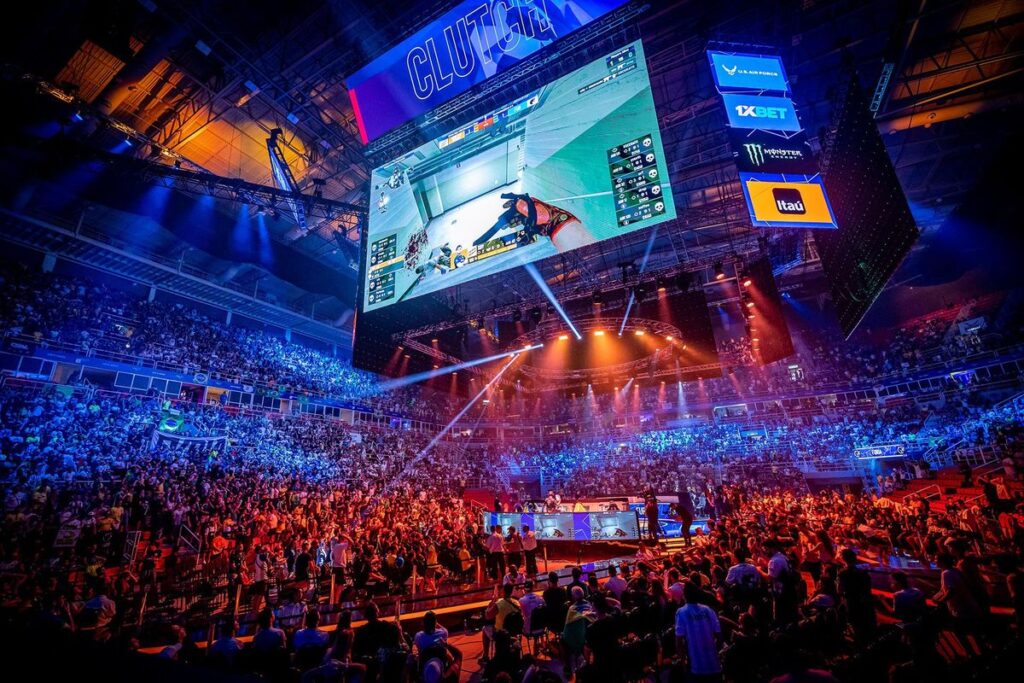
Event organization costs in esports span production, logistics, talent, and technology, and they must be weighed against predictable and intangible returns. The largest outlay often goes to venue and stage production, including lighting, audio, and large-scale displays, as fans expect broadcast-quality experiences. Travel, lodging, and per-diem expenses for players, coaches, commentators, and staff also accumulate quickly, especially at global finals with multiple teams. Technical infrastructure—servers, redundancy, streaming encoders, and fail-safes—determines broadcast reliability and latency, which in turn influences audience retention and sponsor satisfaction. Talent acquisition and compensation cover casters, analysts, and guest appearances, contributing to the production value that fans associate with professional leagues. Marketing and community management drive ticket sales, online viewership, and social buzz, creating a funnel from awareness to engagement. Operational costs extend to regulatory compliance, security, insurance, and risk mitigation, all essential for maintaining smooth operations across borders and events. In parallel, organizers invest in event formats, scheduling, and match pacing to maintain excitement without overstretching resources. Return on investment is measured through multiple channels: ticket revenue, streaming income, sponsorship contributions, merchandise, and prize pools that circulate back into the ecosystem. Sponsorships often include upfront fees plus revenue sharing from in-event activations and digital campaigns, but expectations should align with viewership metrics and regional monetization potential. Broadcast deals, platform revenue shares, and regional restrictions influence cash flow timing and predictability. A disciplined ROI model requires scenario planning: baseline, optimistic, and conservative projections that account for audience growth, sponsorship interest, and prize inflation. Attendee experience adds value by enabling premium seats, meet-and-greets, and exclusive merchandise, all of which can lift per-person spend. Conversely, failures to optimize logistics or misprice sponsorship packages risk eroding margins and harming future negotiation leverage. Best-practice cost control combines detailed budgeting, vendor diversification, and post-event debriefs that translate learnings into tighter execution in future events. When ROI is clear to partners, sponsors are more willing to commit to multi-year cycles, while teams benefit from stability that permits long-term talent development and infrastructure upgrades. The result is a virtuous loop where costs are managed, revenue is diversified, and the esport ecosystem grows more resilient over time. Strategic partnerships with technology providers and venue operators can further reduce per-event expenses while maintaining premium fan experiences and reliable streaming. This iterative approach reduces risk over time.
Adoption Strategies for Brands and Sponsors
Adoption strategies for brands and sponsors require a practical, audience-first approach that respects culture, competition, and platform dynamics. Start by mapping the fan journey across leagues, teams, and creators to identify natural integration points that feel authentic rather than intrusive. Brands should prioritize long-term partnerships over one-off campaigns, building co-created content, talent pipelines, and local activations that resonate with regional fan bases. Activation plans benefit from cross-channel consistency, blending in-game sponsorships, event branding, streaming overlays, and social media storytelling to create a cohesive narrative. To succeed, sponsors must invest in creator relationships, offering fair revenue sharing, clear guidelines, and editorial independence to preserve credibility with audiences. Data-driven briefs help align expectations; sponsors can share audience insights, conversion metrics, and attribution models that demonstrate impact on awareness, engagement, and purchase intent. Esports fans value transparency and relevance, so sponsorships should avoid aggressive advertising and instead emphasize value-added experiences such as behind-the-scenes access, meet-and-greets, training clips, and interactive challenges. Brand activations at live events should enhance the spectacle, not obstruct sightlines or disrupt gameplay, with thoughtfully designed booths, exclusive merchandise, and playable demos that invite participation. Digital integrations, including overlays, sponsored maps, and panel discussions with brand voices, should feel like a natural extension of the broadcast rather than a rigid advertisement. Localization matters: messaging, pricing, and offers must reflect local currencies, languages, and cultural nuances to maximize resonance and reduce friction. Across the ecosystem, sponsors should collaborate with teams, publishers, and platforms to align goals, coordinate timelines, and share risk. Sponsorships increasingly incorporate measurable milestones such as sponsor-branded view-through rates, clip shares, and fan-generated content, creating a feedback loop that informs future investment. A measured approach also involves testing formats, measuring lift, and iterating quickly, so successful ideas can scale while underperforming efforts are retired with minimal disruption. Finally, ethical considerations—balancing competition integrity, player welfare, and responsible sponsorship—should guide every decision, ensuring that partnerships strengthen the sport rather than compromise its reputation. By embracing co-creation, transparency, and regional relevance, brands can convert sponsorships into lasting relationships that amplify reach, fuel growth, and deepen loyalty among diverse esports audiences.